Current
The George E. Marcus Archive (2025–)
building and designing a digital archive for anthropologist George E. Marcus, focused on his career-long efforts to remake ethnographic research for contemporary conditions. The archive includes field notes, correspondence, collaborative projects, syllabi, and materials from the institutions and initiatives he has built. It also features contemporary reflections on Marcus’s contributions by colleagues, students, and Marcus himself. The project is part of a larger effort to build a Critical Cultural Theory Archive.
Environmental Governance Global Record (2023–)
a set of case studies and digital archives on environmental justice in California, Texas, North Carolina, the Navajo Nation, and Taiwan.
Past
Formosa Plastics Global Archive (2020–2025)
a collection of reports, images and videos documenting the operations of the global petrochemical company Formosa Plastics.
U.S.EPA Video Challenge for Students
In 2022–23, I collaborated with a team of UC Irvine students from engineering and biology, along with Orange County Environmental Justice (OCEJ), to create two videos addressing soil lead contamination in Santa Ana, California. Our team won both phases of a video competition by the U.S. Environmental Protection Agency.
UC Irvine press release, May 24, 2023.
Civic Bioremediation: Building a Network of Soil Practicioners
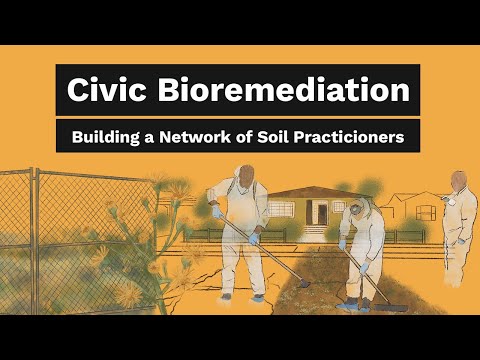
Phase 1 Winners EPA press release, July 28, 2022
Unearthing Lead: The Power of Historical Maps
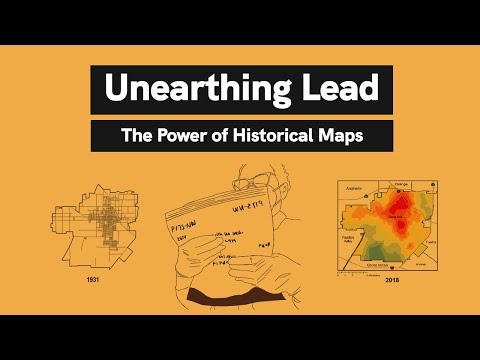
Phase 2 Winners EPA press release, May 9, 2023
Current-Wave: Reaching for Just Transitions in Coastal Communities
Exhibition, Taipei, Taiwan, November 4–5, 2023
Quotidian Anthropocenes (2019–2020)
explores how “the Anthropocene” is playing out on the ground in different settings. The aim is to create both situated, place-based and comparative perspective, building new modes of collective knowledge and action.
Transnational STS COVID-19 Project (2020–2021)
brings together researchers in the interdisciplinary field of Science and Technology Studies (STS) to follow and analyze COVID-19 as it plays out in different settings.
Visualizing Toxic Places (2018–2019)
a collaborative experiment with new ethnographic methods and modes of expression. The project is designed to explore “toxicity” in many guises (chemical, discursive, gendered, mediated, and others), “place” (as an analytic focus in ethnography, in experience, as site of governance, and so on), and ways “toxic places” can be conveyed and analyzed through diverse modes of visualization.